National Park Sentarum Lake, The Province of West Kalimantan
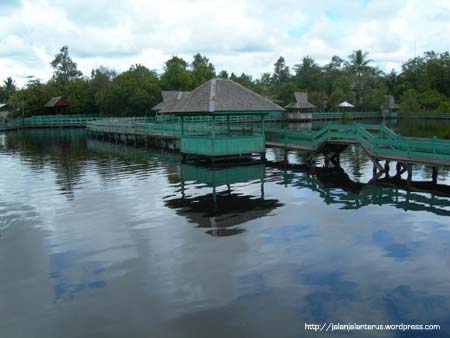
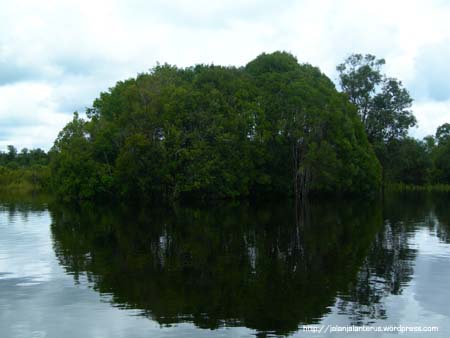
Sentarum lake is a seasonal lake that is located on the side Kapuas River basin which is about 700 km from the estuary to the South China Sea. The lake is bounded by hills and high plains that surround it.
Sentarum lake is 700 km from Pontianak city is included in the plateau region of Watershed Kapuas Hulu regency which is a shallow lake and marsh and low terraces are very broad.
Sentarum lake area has been designated a Nature Reserve area. Tha lake water is a giant piggy bank. In the rainy season, saving 25 percent water Sentarum Kapuas. The total area of 132000 ha of lake Sentarum plus 64000 ha are proposed as a buffer zone. About 20 ha is a seasonal lake which covers an area of 30500 ha, the rest is a peat swamp forest.

The lake is a complex Sentarum lakes, more than twenty pieces of natural lakes act as aresevoir. The overflow flood that swept landscape Kapuas will automatically be accommodated here. That's when the flood waters inundate the primary freshwater swamp forest in the region Sentarum Lake Wildlife Refuge.
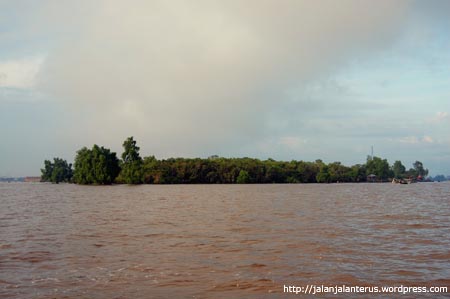
Water system of the freshwater lakes and flooded forest is to make Lake Sentarum unlike others lakes. The water is reddish black color because it contains tannins that come from the surrounding peat. During the rainy season, the lake water depth can reach 6-8 meters in the surrounding forests and cause flooding.

However this alone is not a natural phenomenon which is unique Sentarum Lake. Lake formed during the Ice Age or Pleistocene period has a wealth of flora and fauna are incredible and do not possess other areas. There are 510 vegetation species and 33 species are endemic TNDS, includin10 species of which are new species.
There TNDS mammals in 141 species. About 29 species of which are endemic species, and 64 percent of the endemic mammals of Borneo. There are 266 species of fish, about 78 percent of which are freshwater fish endemic to Borneo. National Parks of Sentarum Lake listed as one fo the most complete freshwater fish habitat in the world.
In addition to the great forest and the habitat of bees, TNDS also a habita for many species of freshwater fish. In terms of size, for example, there is the smallest species of fish, known by the name of the fish linut (Sundasalnx cf. Microps) measuring 1-2 inches with his transparent as glass, up to a lenght of two meters of fish such as fish of the genus Wallago Tapah.
The economic value of the fish and the consumption of residents, for example, there is a cork fishing, toman, baung, lais, belida and jelawat. Particular fish, the fish there TNDS silok or arwana (Scleropages formosus) and red arwana. However, the population of this species are now declining rapidly due to its price causes theexcessive exploitation. In the region recorded at the least 120 species of fish, including rare species and high value fish is arwana (Scleropages formosus), and there are several types of species that are owned by the Lake Sentarum only in the sense not found elsewhere in the world.

During the dry season, when high water Kapus gradually decreased, the water will fow from lake Sentarum Kapuas that discharge intothe water in the river is relatively stable. finally, at the peak of the dry season, the sate of Sentarum Lake and the surrounding area will be a vast stretch of dry land. The fish taht had been on the lake, will be obvious in small pools.
When the lake recededSentarum lake water depth is only about two - three meters. In fact, under normal conditions between three to eigth feet. if the flood which up to 13 meters. However, in the last two years, the decline in water Sentarum very extreme. In some parts there are up to four meters in three days. Normally about half a meter. There is a suspect in the upstream land clearing Kapuas ht ecause drastic shrinkage Sentarum water. Well vegetated area destroyed the fuction of the lost land as rain catchment and recharge. In addition to the potential to be developed and beauty of natural scenery with a few small islands around it, like the Malay Islands, Island or Pulau Sepandan Tekenang hill.
The more severe
Due to rampant illegal logging damage to ecosystems in the Lake National Park Sentarum Kapuas Hulu Regency, West Kalimantan, is now getting worse. This condition coupled with the clearing of a large scale for its 15 oil palm plantations, and overfishing in the lake.

From land clearing by large palntations, the environmental degradation around Lake Sentarum TN. Areas that had already opened is not planted, even abandoned. Changes in TN Lake Sentarum it also resulted in decreased quality and quantity of lake water into the international wetland conservation.

That is why, Sentarum lake very important, because it is the "heart" that regulates water flow Kapuas. NOt surprisingly, an area of 132000 hectares is an area of wetlands of the most unique in the world.
Taxable Sentarum fish Red Eye
The owner of fishing cages in Sentarum lake, Kapuas Hulu, the headwaters of the Kapuas, West Kalimantan province, some time ago claimed to fret because the fish are reared in cages from a serious illness last year, in the form of both eyes reddened.

One resident said that if one fish is affected by the disease both eyes reddened, in just a few days will infect all the fish in the cages. "Fish eyes reddened, always running round around the cage until death. Two or three days later, a similar disease affects the entire contents of cages, so that everything is dead," he said.

Imagine the cost of investing one unit vages to harvest four months later to Rp 3 million. Proceeds from sale of up to Rp 5 million per cage. now they are frustrated, bacause fish jelawat, tuman fish, carp, belidak fish, lais fish are kept, can no longer cultivated.
Until now owner of the cages did not knowthe exact type of disease a affecting the fish. The results of the monitoring government technical agencies Kapuas Hulu recently illness suspected fish eyebals reddened, because the use of toxic drugs which always sticks thrown into the lake by the perpetrators of illegal logging, which continues to bloom since last five years.